Every successful business depends on accurate financial management. Whether a company is a startup, a small business, or a large corporation, maintaining organized financial records is essential for profitability, compliance, and long-term growth. This is where full cycle accounting plays a crucial role. Full cycle accounting refers to the complete accounting process that begins when a financial transaction occurs and ends when the company closes its books and prepares financial statements for a specific accounting period. In other words, it covers every accounting activity necessary to record, process, verify, and report financial information accurately.
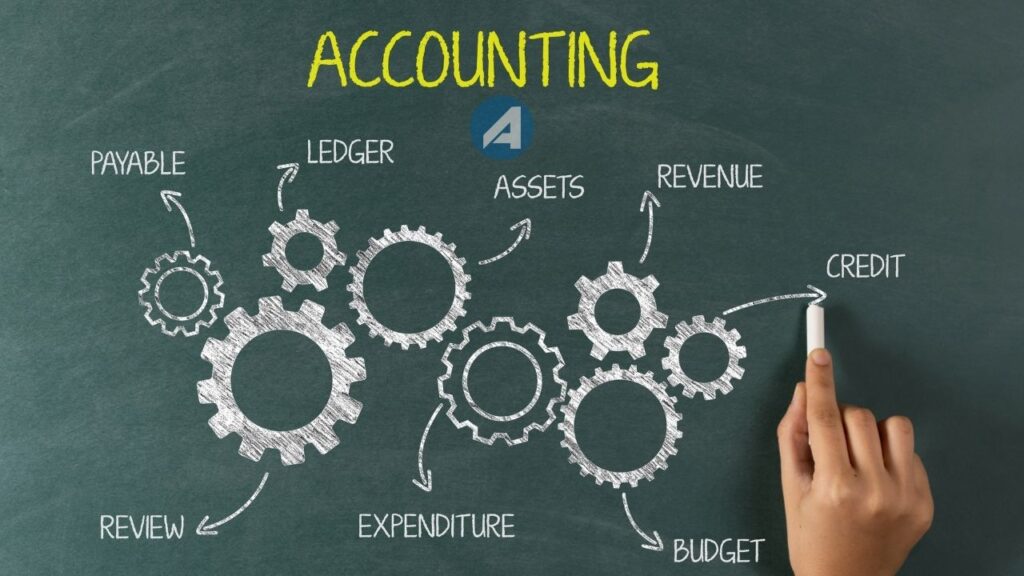
The understanding of full cycle accounting helps business owners, accounting professionals, and finance teams maintain accurate records, improve decision making, and ensure regulatory compliance. In this article, we will explore what full cycle accounting is, how it works, its key stages, benefits, challenges, and best practices.
What Is Full Cycle Accounting?
Full cycle accounting is the process of recording and managing all financial transactions within an accounting period. The cycle starts with identifying and recording transactions and concludes with closing the books and generating financial reports. The term “Full Cycle” emphasizes that accountants oversee every step of the accounting process rather than handling only specific tasks such as payroll, accounts payable, or financial reporting. A full cycle accountant is typically responsible for managing the entire accounting workflow, ensuring that financial records remain accurate and up to date throughout the accounting period.
The Objectives Of Full Cycle Accounting :
The primary goals of full cycle accounting include :-
- Ensuring tax compliance
- Maintaining internal controls
- Supporting business decision-making
- Preparing reliable financial statements
- Maintaining organized financial records
- Recording financial transactions accurately
- Identifying financial trends and opportunities
As a result, businesses gain a clear understanding of their financial health and performance.
Why Full Cycle Accounting Is Important
Full cycle accounting serves as the foundation of financial management. Without a structured accounting process, businesses may experience reporting errors, cash flow problems, tax penalties, and compliance issues. Here are several reasons why full cycle accounting is essential :-
- Improves Financial Accuracy : Accurate transaction recording reduces the risk of mistakes. Consequently, financial statements reflect the true financial position of the business.
- Enhances Decision Making : Business leaders rely on accounting data to make informed decisions. Therefore, accurate reports help managers allocate resources effectively and plan for future growth.
- Ensures Regulatory Compliance : Organizations must comply with tax laws, accounting standards, and government regulations. Full cycle accounting helps businesses meet these requirements consistently.
- Supports Cash Flow Management : Monitoring incoming and outgoing cash allows businesses to maintain healthy liquidity and avoid financial difficulties.
- Facilitates Financial Reporting : Investors, lenders, and stakeholders often require financial reports. Full cycle accounting ensures that these reports are reliable and timely.
The 8 Major Steps Of Full Cycle Accounting
Although accounting systems may vary across organizations, the full cycle accounting process generally includes eight key steps.
1. Identify and Analyze Transactions :
The accounting cycle begins when a financial transaction occurs. The examples include are :-
- Sales revenue
- Loan payments
- Vendor payments
- Employee payroll
- Customer refunds
- Equipment purchases
At this stage, accountants collect supporting documents such as invoices, receipts, contracts, and bank statements. Afterward, they determine how each transaction affects the company’s accounts.
Example :-
If a company purchases office supplies for $500 :-
- Cash decreases
- Office Supplies Expense increases
Proper analysis ensures accurate recording later in the process.
2. Record Journal Entries :
Once transactions are analyzed, accountants record them in the general journal. Each transaction follows the double-entry accounting system, meaning every entry includes :-
- A debit
- A corresponding credit
Example Journal Entry :
- Office Supplies Expense : Debit $500
- Cash : Credit $500
This step creates a permanent financial record and forms the basis for future reporting.
3. Post Entries To The General Ledger :
After journal entries are recorded, they are transferred to the general ledger. The general ledger serves as the central repository for all financial accounts, including :-
- Cash
- Equity
- Revenue
- Expenses
- Accounts Payable
- Accounts Receivable
Because transactions are organized by account, accountants can easily review account balances and financial activity.
4. Prepare An Unadjusted Trial Balance :
Next, accountants prepare an unadjusted trial balance. A trial balance lists all account balances before adjustments are made. The primary purpose is to verify that :-
Total Debits = Total Credits
If the totals do not match, accountants investigate and correct errors before proceeding. This step acts as an important quality control measure.
5. Make Adjusting Entries :
Many financial transactions require adjustments at the end of an accounting period. Adjusting entries account for :-
- Depreciation
- Accrued revenue
- Prepaid expenses
- Accrued expenses
- Unearned revenue
These adjustments ensure compliance with the accrual accounting method.
Example :
- Suppose a company pays annual insurance premiums in advance.
- Each month, a portion of the prepaid insurance must be recognized as an expense.
- Without adjustment entries, financial statements may be inaccurate.
6. Prepare An Adjusted Trial Balance :
After all adjustments are recorded, accountants prepare an adjusted trial balance. This updated trial balance confirms that all accounts remain balanced after adjustments. Additionally, it serves as the foundation for creating financial statements.
7. Generate Financial Statements :
At this stage, businesses prepare their key financial reports.
Income Statement : The income statement shows :-
- Revenue
- Expenses
- Net profit or loss
It helps stakeholders evaluate profitability.
Balance Sheet : The balance sheet presents :-
- Assets
- Liabilities
- Shareholders’ equity
This report provides a snapshot of financial position.
Cash Flow Statement : The cash flow statement tracks :-
- Operating activities
- Investing activities
- Financing activities
As a result, businesses gain visibility into cash movement.
Statement Of Retained Earnings : This statement shows how retained earnings changed during the accounting period. Together, these reports provide a comprehensive overview of company performance.
8. Close The Books :
The final step in full cycle accounting involves closing temporary accounts. Temporary accounts include are :-
- Revenue accounts
- Expense accounts
- Dividend accounts
Their balances are transferred to retained earnings. After closing entries are completed, the accounting period officially ends and a new cycle begins.
Full Cycle Accounting Example
To better understand the concept, consider a small marketing agency.
During The Month : The agency :-
- Pays rent
- Pays employee salaries
- Earns revenue from clients
- Receives customer payments
- Purchases software subscriptions
End Of Month Activities : The accountant :-
- Prepares a trial balance.
- Records all transactions.
- Posts entries to the ledger.
- Reconciles bank accounts.
- Closes temporary accounts.
- Creates financial statements.
- Makes depreciation adjustments.
This entire process represents full cycle accounting.
Responsibilities Of A Full Cycle Accountant
A full cycle accountant manages all phases of the accounting cycle. Common responsibilities include are :-
- Tax Preparation Support : They help ensure accurate tax filings and compliance.
- Financial Reporting : They prepare monthly, quarterly, and annual financial statements.
- Budget Monitoring : They track expenses and compare actual performance against budgets.
- Accounts Receivable Management : They track customer invoices and monitor collections.
- Payroll Processing : Many full cycle accountants oversee payroll calculations and payments.
- Accounts Payable Management : They process vendor invoices and ensure timely payments.
- Bank Reconciliations : They compare accounting records with bank statements to identify discrepancies.
Because of these responsibilities, full cycle accountants often play a strategic role within organizations.
Full Cycle Accounting vs. Bookkeeping
Many people confuse bookkeeping with full cycle accounting. However, the two functions are different.
| Bookkeeping | Full Cycle Accounting |
|---|---|
| Records transactions | Manages the complete accounting process |
| Focuses on data entry | Includes analysis and reporting |
| Handles daily financial records | Covers the entire accounting cycle |
| Limited reporting responsibilities | Produces financial statements |
| Operational role | Operational and strategic role |
In short, bookkeeping is one component of full cycle accounting.
The Benefits Of Full Cycle Accounting
Businesses that implement effective full cycle accounting enjoy numerous advantages.
- Increased Accuracy : Structured procedures reduce errors and inconsistencies.
- Stronger Compliance : Accurate records support tax filings and regulatory requirements.
- Better Financial Visibility : Comprehensive records provide real-time insight into financial performance.
- Better Business Planning : Reliable financial data supports budgeting, forecasting, and strategic planning.
- Enhanced Investor Confidence : Investors and lenders prefer organizations with transparent financial reporting.
- Improved Cash Flow Control : Regular monitoring helps businesses manage cash effectively and avoid shortages.
The Common Challenges In Full Cycle Accounting
Despite its advantages, full cycle accounting can present several challenges.
- Manual Errors : Data entry mistakes can affect financial reporting accuracy.
- Complex Regulations : Tax laws and accounting standards frequently change.
- Time Consuming Processes : Traditional accounting methods often require significant effort and resources.
- High Transaction Volume : Businesses with thousands of monthly transactions may struggle to maintain accuracy.
- Reconciliation Difficulties : Matching financial records with bank statements can be challenging when discrepancies arise.
Fortunately, modern accounting software helps reduce many of these challenges.
Technology And Full Cycle Accounting
Accounting technology has transformed how businesses manage the accounting cycle. Popular accounting solutions automate many routine tasks, including :-
- Tax calculations
- Expense tracking
- Invoice generation
- Payroll processing
- Financial reporting
- Bank reconciliations
Some widely used accounting platforms include :-
As automation increases, accountants can focus more on analysis and strategic planning rather than manual data entry.
The Best Practices For Effective Full Cycle Accounting
To maximize accuracy and efficiency, businesses should follow several best practices.
- Use Accounting Software : Automation improves efficiency and minimizes manual errors.
- Implement Internal Controls : Approval workflows and separation of duties reduce fraud risk.
- Conduct Periodic Audits : Internal reviews improve financial accuracy and strengthen controls.
- Monitor Financial Reports Frequently : Regular reviews help identify trends and potential problems early.
- Maintain Organized Documentation : Store invoices, receipts, contracts, and financial records systematically.
- Reconcile Accounts Regularly : Monthly reconciliations help identify errors before they become larger issues.
- Stay Updated On Regulations : Keeping current with accounting standards and tax requirements ensures compliance.
The Skills Required For Full Cycle Accounting
Successful full cycle accountants possess a combination of technical and analytical skills. These include :-
- Time Management : Meeting reporting deadlines is critical.
- Software Proficiency : Knowledge of accounting platforms increases efficiency.
- Analytical Thinking : Accountants must identify trends and solve financial issues.
- Attention To Detail : Small mistakes can significantly impact financial statements.
- Accounting Knowledge : A strong understanding of accounting principles is essential.
- Communication Skills : Accountants frequently explain financial information to management and stakeholders.
Who Needs Full Cycle Accounting?
Full cycle accounting benefits organizations of all sizes.
- Small Businesses : Owners gain visibility into cash flow and profitability.
- Startups : Accurate records support fundraising efforts and growth planning.
- Mid-Sized Companies : Structured accounting processes improve operational efficiency.
- Large Enterprises : Comprehensive accounting systems ensure compliance and financial control.
- Nonprofit Organizations : Accurate reporting supports donor transparency and regulatory requirements.
Regardless of industry, effective accounting supports financial stability and long-term success.
Full cycle accounting is the complete process of managing financial transactions from initial recording to final financial reporting and closing entries. It encompasses every stage of the accounting cycle, ensuring that financial data remains accurate, organized, and compliant with applicable regulations. By implementing a strong full cycle accounting process, businesses can improve financial visibility, strengthen cash flow management, reduce errors, and make more informed decisions. Furthermore, modern accounting technology has made it easier than ever to streamline workflows and maintain accurate records. Whether you are a business owner, accountant, or finance professional, understanding full cycle accounting is essential for maintaining financial health and supporting sustainable business growth. A well-executed accounting cycle not only ensures compliance but also provides the financial insights necessary to achieve long-term success.
Frequently Asked Questions (FAQs)
What is full cycle accounting?
Full cycle accounting is the complete process of recording, managing, and reporting a company’s financial transactions. It begins when a transaction occurs and ends with closing the books and preparing financial statements for a specific accounting period.
What does a full cycle accountant do?
A full cycle accountant manages all aspects of the accounting process, including accounts payable, accounts receivable, reconciliations, payroll, financial reporting, and month end or year-end closing procedures.
Why is full cycle accounting important?
Full cycle accounting helps businesses maintain accurate financial records, comply with tax regulations, monitor cash flow, and make informed business decisions based on reliable financial data.
How often is the accounting cycle completed?
Most businesses complete the accounting cycle monthly, quarterly, and annually. Regular closing periods help maintain accurate financial records and support timely decision making.
What are the main stages of full cycle accounting?
The main stages include recording transactions, posting entries to the general ledger, preparing trial balances, making adjusting entries, generating financial statements, and closing the books at the end of the accounting period.
Is full cycle accounting suitable for small businesses?
Yes, full cycle accounting is highly beneficial for small businesses because it provides better financial visibility, improves cash flow management, and helps ensure compliance with tax and reporting requirements.
Can accounting software help with full cycle accounting?
Yes, modern accounting software can automate many tasks involved in full cycle accounting, including transaction recording, invoicing, reconciliations, payroll processing, and financial reporting, making the process more efficient and accurate.
What financial statements are prepared during full cycle accounting?
Full cycle accounting typically produces key financial statements such as the income statement, balance sheet, cash flow statement, and statement of retained earnings, providing a complete view of business performance.
 Solutions