Accounts receivable is one of the most important components of a company’s financial operations. Whether you run a startup, small business, or growing enterprise, understanding accounts receivable can help you maintain healthy cash flow, improve customer payment collections, and support long term business growth. Many businesses offer products or services on credit. As a result, customers receive goods or services immediately but pay later according to agreed payment terms. The money owed by those customers becomes accounts receivable.
In this article, you will learn the definition of accounts receivable, how it works, its uses, examples, benefits, challenges, and best practices for effective management.
Accounts Receivable Definition
Accounts receivable (AR) refers to the money customers owe a business for products or services purchased on credit. It represents outstanding invoices that customers are expected to pay within a specified period, such as 15, 30, 45, or 60 days. In accounting, accounts receivable is recorded as a current asset on the balance sheet because it represents future cash inflows that the company expects to receive. Simply put, accounts receivable is money that belongs to your business but has not yet been collected.
How Does Accounts Receivable Work?
The accounts receivable process begins when a business provides products or services to a customer without requiring immediate payment. The typical process includes :-
- Update accounting records.
- Monitor payment due dates.
- Deliver products or services.
- Generate and send an invoice.
- Follow up on outstanding invoices.
- Collect payment from the customer.
- Record the amount as accounts receivable.
Once the customer pays, the receivable balance decreases and cash increases. For example, if a marketing agency completes a project worth $5,000 and offers net-30 payment terms, the $5,000 becomes an account receivable until payment is received.
Why Is Accounts Receivable Important?
Accounts receivable plays a critical role in business success because it directly impacts cash flow and profitability.
- Improves Cash Flow : Timely collections ensure businesses have sufficient cash to pay expenses, salaries, taxes, and suppliers.
- Supports Business Growth : Strong cash flow allows companies to invest in marketing, technology, equipment, and expansion opportunities.
- Increases Sales Opportunities : Offering credit terms often attracts more customers and encourages larger purchases.
- Enhances Financial Planning : Accounts receivable data helps businesses forecast future cash inflows and make informed decisions.
- Strengthens Customer Relationships : Flexible payment options improve customer satisfaction and create long-term business relationships.
Common Examples Of Accounts Receivable
Accounts receivable can exist in almost every industry. Some common examples include :
Service Businesses :
- Legal services
- Consulting fees
- IT support contracts
- Accounting services
- Marketing agency invoices
Retail Businesses :
- Distributor sales
- Bulk product orders
- Wholesale customer purchases
Manufacturing Companies :
- Product shipments on credit
- Large business to business orders
Software Companies :
- Subscription payments due
- Annual software licensing invoices
Healthcare Providers :
- Insurance reimbursements
- Outstanding patient balances
In each case, customers have received value but have not yet completed payment.
Types Of Accounts Receivable
Businesses may manage different types of receivables depending on their operations.
Trade Receivables : Trade receivables arise from the sale of products or services on credit. These are the most common type of accounts receivable.
Notes Receivable : These are formal written agreements where customers promise to pay a specified amount at a future date.
Other Receivables : This category may include employee advances, tax refunds, or interest receivable.
Accounts Receivable vs Accounts Payable
Many business owners confuse accounts receivable with accounts payable. However, they represent opposite sides of a financial transaction.
| Accounts Receivable | Accounts Payable |
|---|---|
| Money owed to the business | Money owed by the business |
| Current asset | Current liability |
| Customer payments | Vendor payments |
| Increases cash when collected | Reduces cash when paid |
| Supports incoming cash flow | Represents outgoing cash flow |
Understanding this difference is essential for effective financial management.
Benefits Of Effective Accounts Receivable Management
Managing accounts receivable properly offers several advantages.
- Faster Payments : Consistent invoicing and follow-ups encourage customers to pay on time.
- Reduced Bad Debt : Early intervention helps prevent overdue accounts from becoming uncollectible.
- Better Cash Flow : Regular collections improve liquidity and support daily operations.
- Improved Financial Visibility : Businesses gain a clearer understanding of outstanding balances and expected income.
- Higher Operational Efficiency : Streamlined processes reduce administrative workload and manual effort.
Challenges In Managing Accounts Receivable
Despite its importance, many businesses struggle with receivable management.
- Late Payments : Customers may miss payment deadlines, causing cash flow disruptions.
- Invoice Errors : Incorrect invoices often lead to payment delays and disputes.
- Lack of Follow Up : Without proper collection procedures, outstanding balances can grow quickly.
- Limited Internal Resources : Many startups and small businesses lack dedicated AR specialists.
- Customer Disputes : Disagreements over pricing, services, or products can delay collections.
These challenges make effective receivable management essential for business success.
Best Practices For Managing Accounts Receivable
Businesses can improve collections and cash flow by implementing proven AR strategies.
- Send Invoices Immediately : Prompt invoicing helps customers understand payment expectations from the beginning.
- Use Clear Payment Terms : Specify due dates, payment methods, and late payment policies clearly.
- Monitor Accounts Regularly : Review outstanding invoices frequently to identify overdue accounts.
- Automate Payment Reminders : Automated reminders encourage timely payments without increasing administrative work.
- Offer Multiple Payment Options : Flexible payment methods make it easier for customers to pay.
- Track Aging Reports : Accounts receivable aging reports help businesses prioritize collection efforts.
- Follow Up Consistently : Professional communication improves collection rates and customer relationships.
What Is an Accounts Receivable Aging Report?
An accounts receivable aging report categorizes outstanding invoices based on how long they have remained unpaid. Typical categories include :-
- Current
- 1–30 Days Past Due
- 31–60 Days Past Due
- 61–90 Days Past Due
- Over 90 Days Past Due
This report helps businesses identify collection risks and focus on overdue accounts.
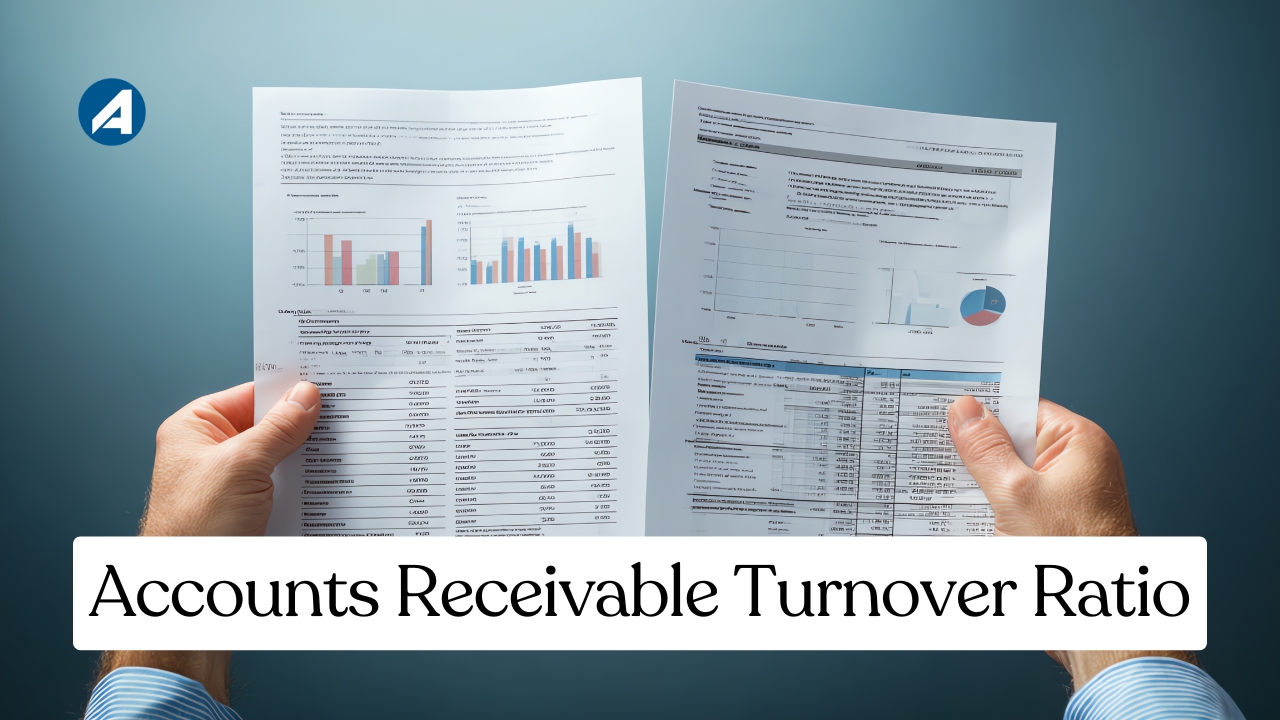
What Is the Accounts Receivable Turnover Ratio?
The accounts receivable turnover ratio measures how efficiently a business collects customer payments. A higher ratio generally indicates :-
- Faster collections
- Better cash flow
- Stronger receivable management
A lower ratio may suggest collection issues or overly lenient credit policies. Monitoring this metric helps businesses improve financial performance.
Why Businesses Outsource Accounts Receivable
As organizations grow, receivable management becomes more complex. Many businesses choose to outsource accounts receivable functions because it provides :-
- Faster collections
- Greater efficiency
- Improved cash flow
- Lower operational costs
- Better reporting and visibility
- Reduced administrative burden
- Access to experienced professionals
Outsourcing allows internal teams to focus on growth initiatives while experts manage receivable operations.
How Aenten Supports Accounts Receivable Management
At Aenten, we provide professional Accounts Receivable Support & Outsourcing Services designed to help startups and businesses improve financial performance. Our experienced team manages :-
- Payment tracking
- Customer follow ups
- Account reconciliation
- Collections management
- Accounts receivable reporting
- Invoice generation and processing
By partnering with Aenten, businesses can reduce overdue payments, improve cash flow, and streamline their receivable processes. Furthermore, our customized solutions adapt to changing business needs and support sustainable growth.
Frequently Asked Questions (FAQs)
What is accounts receivable in simple words?
Accounts receivable is money that customers owe a business for products or services they purchased on credit but have not yet paid for.
Is accounts receivable an asset?
Yes. Accounts receivable is recorded as a current asset because it represents future cash the business expects to receive.
What is an example of accounts receivable?
An example is a business sending a $2,000 invoice to a customer with 30-day payment terms. Until payment is received, the amount remains accounts receivable.
Why is accounts receivable important?
Accounts receivable helps businesses maintain cash flow, support operations, plan future investments, and improve financial stability.
What causes high accounts receivable balances?
Late customer payments, ineffective collections, invoice disputes, and poor credit management can all contribute to high receivable balances.
How can businesses improve accounts receivable collections?
Businesses can improve collections by sending invoices promptly, monitoring outstanding balances, automating reminders, and using professional accounts receivable support services.
What is the difference between accounts receivable and revenue?
Revenue is earned when a sale occurs, while accounts receivable represents the unpaid portion of that revenue that customers still owe.
Should startups outsource accounts receivable?
Yes. Outsourcing accounts receivable can help startups improve cash flow, reduce administrative workload, and gain access to experienced receivable management professionals.
Conclusion
Accounts receivable represents money customers owe a business for products or services provided on credit. It is a critical financial asset that directly impacts cash flow, working capital, and overall business success. Effective accounts receivable management helps businesses collect payments faster, reduce bad debt, improve financial visibility, and support growth. By implementing best practices and leveraging professional support, companies can optimize their receivable processes and strengthen their financial foundation. Aenten’s Accounts Receivable Support & Outsourcing Services help startups and businesses simplify collections, improve efficiency, and maintain healthy cash flow. With expert support and proven processes, your business can focus on growth while we manage your receivables effectively.