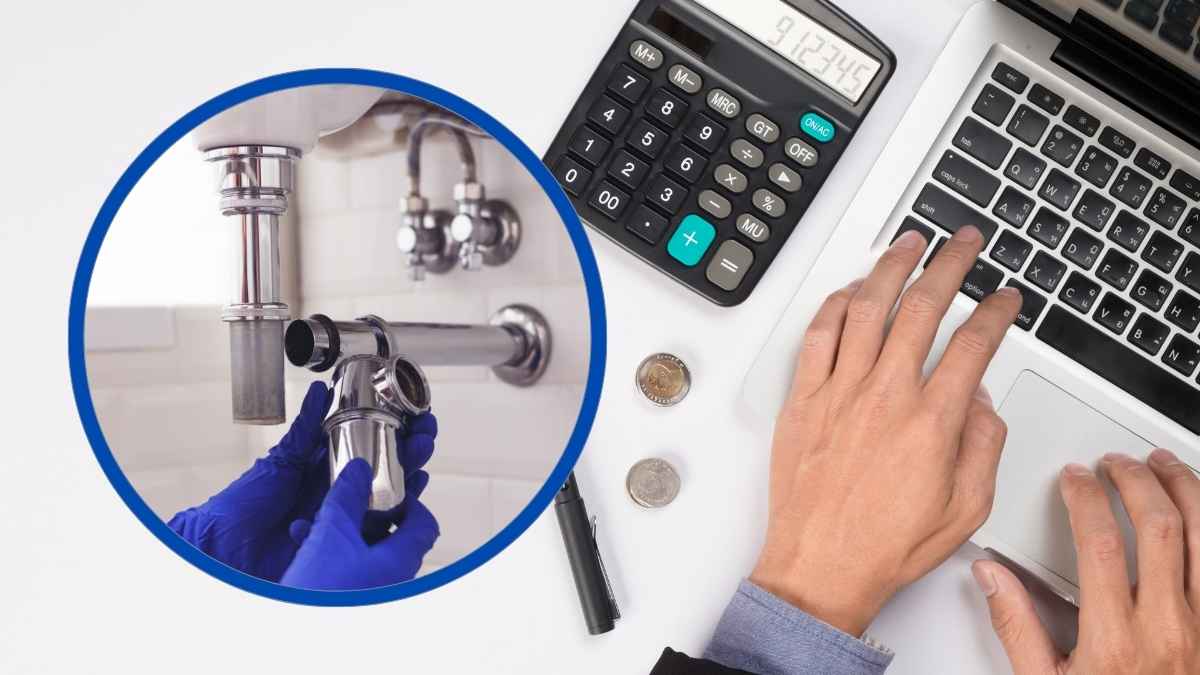
Running a successful plumbing business involves much more than fixing leaks, installing water heaters, or repairing sewer lines. Every plumbing company, whether it’s a one-person operation or a large team serving multiple cities, must also manage its finances effectively. Without accurate financial records, even a busy plumbing business can struggle with cash flow, missed tax deadlines, and shrinking profits. Proper bookkeeping gives plumbing business owners a clear picture of where their money comes from, where it goes, and how profitable each job really is. It also helps with budgeting, payroll, tax preparation, equipment purchases, and long-term business planning.
Many plumbing companies focus heavily on winning new customers but overlook the importance of organized financial management. However, maintaining accurate books can be just as valuable as finding new clients because it helps you make informed decisions and avoid costly mistakes. In this article, you’ll learn why bookkeeping matters, what financial records plumbers should maintain, common bookkeeping mistakes to avoid, and how proper financial management supports long-term business growth.
Why Bookkeeping Matters For Plumbing Businesses
Bookkeeping is the process of recording, organizing, and managing every financial transaction within your business. These transactions include :-
- Customer payments
- Material purchases
- Equipment expenses
- Payroll
- Fuel costs
- Vehicle maintenance
- Insurance premiums
- Taxes
- Vendor invoices
- Loan payments
Accurate bookkeeping allows you to understand the financial health of your plumbing business at any time. Instead of guessing whether your business is profitable, you can rely on real financial data.
Benefits Of Proper Bookkeeping
Well-organized financial records provide many advantages. They help you :-
- Monitor cash flow
- Track income and expenses
- Prepare accurate tax returns
- Reduce accounting errors
- Create realistic budgets
- Improve profitability
- Plan future growth
- Make informed business decisions
- Secure financing more easily
- Build long-term financial stability
Strong bookkeeping supports every stage of business growth.
The Understand Your Cash Flow
Cash flow is one of the most important financial measurements for any plumbing company. Even profitable businesses can experience financial problems if cash isn’t available when bills become due. Bookkeeping helps you monitor :-
- Customer payments
- Outstanding invoices
- Vendor bills
- Payroll
- Monthly expenses
- Equipment purchases
When you understand your cash flow, you can better prepare for slower seasons and unexpected expenses.
Track Every Dollar You Earn
Every completed plumbing job generates income. Bookkeeping records revenue from :-
- Residential plumbing
- Commercial plumbing
- Emergency services
- Water heater installations
- Sewer repairs
- Drain cleaning
- Bathroom remodeling
- Maintenance contracts
- Service agreements
Knowing exactly where your revenue comes from helps identify your most profitable services.
Control Business Expenses
Plumbing businesses have many operating costs. The common expenses include :-
- Plumbing tools
- Vehicles
- Fuel
- Insurance
- Employee wages
- Office supplies
- Marketing
- Licensing fees
- Uniforms
- Safety equipment
- Software subscriptions
Proper bookkeeping categorizes every expense so you know where your money is being spent.
Improve Job Profitability
Not every plumbing project produces the same profit. Bookkeeping helps calculate :-
- Labor costs
- Material costs
- Travel expenses
- Equipment usage
- Gross profit
- Net profit
With accurate records, you can identify which services generate the highest returns.
Simplify Tax Preparation
Tax season becomes much easier when financial records are organized throughout the year. Bookkeeping helps track :-
- Deductible expenses
- Payroll records
- Equipment purchases
- Vehicle expenses
- Office expenses
- Business mileage
- Vendor payments
Instead of scrambling for receipts, you’ll already have organized records.
Monitor Outstanding Invoices
Late customer payments can hurt cash flow. Bookkeeping helps you monitor :-
- Unpaid invoices
- Due dates
- Partial payments
- Customer balances
- Payment history
Following up promptly improves collections and reduces bad debt.
Manage Payroll Efficiently
If your plumbing business has employees, payroll becomes one of your largest recurring expenses. Bookkeeping helps track :-
- Employee wages
- Overtime
- Payroll taxes
- Benefits
- Bonuses
- Vacation pay
Accurate payroll records help ensure employees are paid correctly and on time.
Budget For Equipment Purchases
Plumbers rely on expensive equipment. Examples include :-
- Drain cameras
- Hydro jetting machines
- Pipe inspection tools
- Power tools
- Service vans
- Water leak detectors
Bookkeeping helps determine when your business can comfortably invest in new equipment.
Measure Business Growth
Growth should be measured with financial data, not just the number of completed jobs. Bookkeeping allows you to compare :-
- Monthly revenue
- Annual revenue
- Profit margins
- Customer growth
- Operating expenses
- Cash reserves
This information helps evaluate long-term performance.
Build Stronger Customer Relationships
Financial organization also improves customer service. Accurate bookkeeping allows you to :-
- Send professional invoices
- Process payments quickly
- Provide accurate estimates
- Track customer history
- Resolve billing questions
Professional financial processes increase customer confidence.
Common Financial Reports Every Plumber Should Review
Bookkeeping generates reports that help business owners make informed decisions.
Profit and Loss Statement :
Shows :-
- Revenue
- Expenses
- Net income
This report reveals whether your business is making money.
Balance Sheet
Displays :
- Assets
- Liabilities
- Owner’s equity
It provides a snapshot of your company’s financial position.
Cash Flow Statement
Tracks :
- Cash received
- Cash spent
- Operating cash flow
This report helps identify potential cash shortages.
Accounts Receivable Report
Shows :
- Outstanding invoices
- Customer balances
- Payment status
Monitoring this report helps improve collections.
Separate Personal And Business Finances
One of the biggest bookkeeping mistakes is mixing personal and business expenses. Maintain separate :-
- Bank accounts
- Credit cards
- Loans
- Accounting records
Separation simplifies bookkeeping and improves financial reporting.
Use Accounting Software
Modern bookkeeping software saves time and reduces manual errors. Common features include :-
- Invoice creation
- Expense tracking
- Bank reconciliation
- Financial reports
- Payroll integration
- Tax reporting
- Mobile access
Cloud-based software also allows access from the office or job site.
Reconcile Bank Accounts Regularly
Bank reconciliation compares your bookkeeping records with bank statements. The benefits include :-
- Detecting errors
- Identifying fraud
- Finding duplicate transactions
- Correcting missing entries
Monthly reconciliation keeps financial records accurate.
Track Material Costs
Material prices continue to fluctuate. Bookkeeping helps monitor costs for :-
- Copper pipe
- PVC pipe
- Fittings
- Valves
- Water heaters
- Fixtures
- Sealants
- Fasteners
Tracking material costs helps improve pricing accuracy.
Monitor Vehicle Expenses
Most plumbing businesses operate one or more service vehicles. Track expenses such as:
- Fuel
- Maintenance
- Repairs
- Tires
- Insurance
- Registration
- Vehicle depreciation
Knowing transportation costs helps calculate true job profitability.
Understand Seasonal Trends
Many plumbing companies experience seasonal demand. Bookkeeping helps identify :-
- Busy months
- Slow periods
- Revenue trends
- Expense fluctuations
This information supports better staffing and budgeting decisions.
Improve Pricing Decisions
Without bookkeeping, many plumbing companies underprice their services. Financial records help determine :-
- Actual labor costs
- Material costs
- Overhead expenses
- Desired profit margins
This allows you to create pricing that supports long-term profitability.
Prepare For Business Loans
Banks and lenders usually request financial documentation before approving loans. Organized bookkeeping provides:
- Income statements
- Balance sheets
- Cash flow reports
- Tax records
Strong financial records improve your credibility with lenders.
Support Business Expansion
As your plumbing company grows, bookkeeping becomes even more important. Whether you expand into Plumbers In Houston or Plumbers In San Antonio, accurate financial reporting helps you evaluate :-
- New market opportunities
- Hiring decisions
- Marketing investments
- Vehicle purchases
- Office expansion
- Equipment upgrades
Reliable financial data reduces the risk of expanding too quickly.
Common Bookkeeping Mistakes Plumbers Should Avoid
Many plumbing businesses make avoidable financial mistakes. Common examples include :
- Losing receipts
- Mixing personal and business expenses
- Delaying invoice creation
- Ignoring unpaid invoices
- Skipping monthly reconciliations
- Misclassifying expenses
- Forgetting tax deadlines
- Not reviewing financial reports
- Using outdated accounting methods
- Waiting until tax season to organize records
Avoiding these mistakes helps improve financial stability.
When Should You Hire A Professional Bookkeeper?
As your business grows, managing finances alone becomes more challenging. Consider hiring professional bookkeeping support if you :-
- Have multiple employees
- Operate several service vehicles
- Handle large monthly revenue
- Struggle with tax preparation
- Spend too much time on paperwork
- Need detailed financial reporting
Professional bookkeeping allows you to spend more time serving customers and growing your business.
Tips For Better Plumbing Business Bookkeeping
Improve your financial management with these best practices :-
- Record transactions daily.
- Send invoices immediately after completing jobs.
- Review financial reports every month.
- Save digital copies of receipts.
- Separate personal and business finances.
- Track mileage consistently.
- Reconcile bank accounts monthly.
- Maintain emergency cash reserves.
- Review pricing regularly.
- Work with a qualified accounting professional when needed.
Consistency is the key to accurate bookkeeping.
Frequently Asked Questions
Why is bookkeeping important for plumbing businesses?
Bookkeeping helps plumbing businesses track income, control expenses, manage cash flow, prepare for taxes, and make informed financial decisions based on accurate records.
Should plumbers use accounting software?
Yes. Accounting software can simplify invoicing, expense tracking, bank reconciliation, payroll, and financial reporting, saving time while reducing errors.
How often should plumbing businesses update their books?
Recording transactions daily or weekly and reviewing financial reports monthly helps maintain accurate records and prevents bookkeeping from becoming overwhelming.
What expenses should plumbers track?
Common expenses include tools, vehicles, fuel, materials, insurance, payroll, marketing, licenses, office supplies, software subscriptions, and equipment maintenance.
Can bookkeeping help increase profits?
Yes. Accurate bookkeeping reveals which services are most profitable, identifies unnecessary expenses, improves pricing decisions, and supports better budgeting.
When should a plumbing company hire a bookkeeper?
Businesses often benefit from professional bookkeeping when revenue grows, employee numbers increase, financial reporting becomes more complex, or owners want to spend more time focusing on operations and customer service.
Final Thoughts
Proper bookkeeping is one of the most valuable investments a plumbing business can make. While delivering excellent plumbing services is essential, maintaining accurate financial records ensures your business remains profitable, organized, and prepared for future growth. By tracking income, managing expenses, monitoring cash flow, reviewing financial reports, and using reliable bookkeeping practices, plumbing companies can make better decisions with confidence. Whether you’re an independent contractor or managing a growing team, strong bookkeeping helps you understand your business, improve profitability, and plan for long-term success. As your company expands into new service areas and reaches more customers, organized financial management will remain the foundation of sustainable growth.