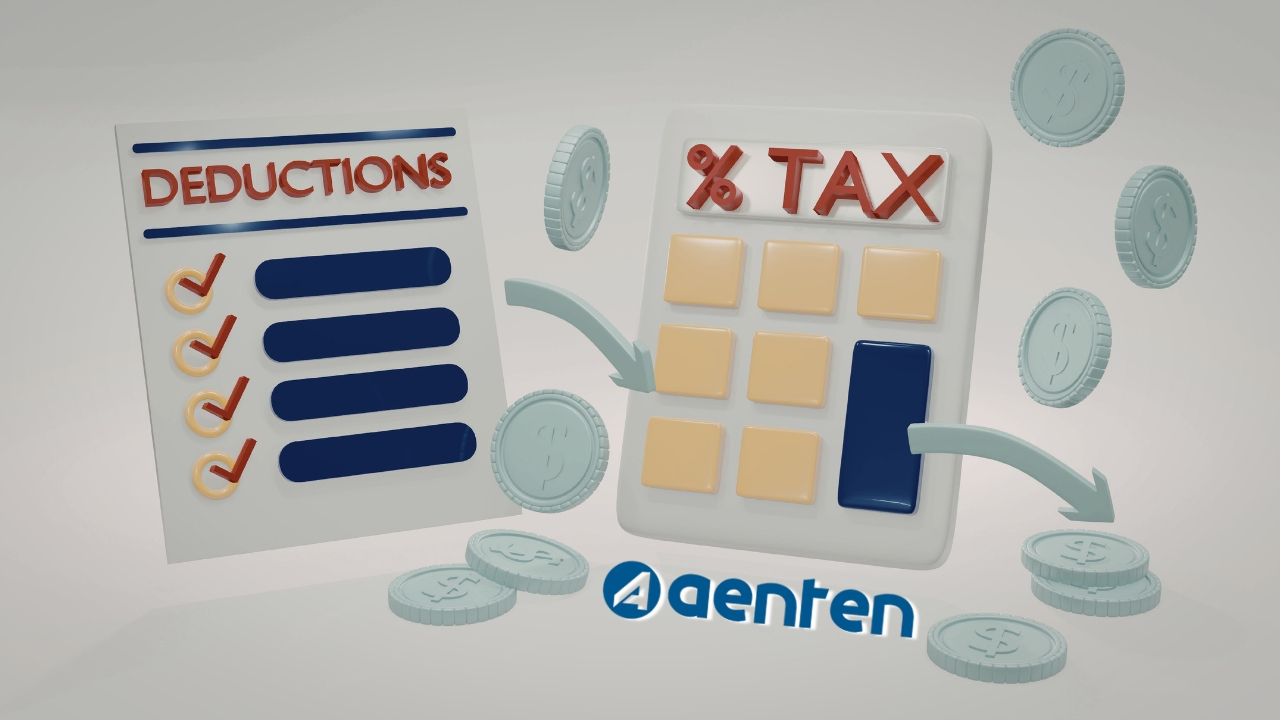
Tax planning is a critical part of smart financial management for individuals and businesses. It involves organizing your financial affairs in a way that legally minimizes tax liabilities while remaining fully compliant with tax laws and regulations. Effective tax planning is not just about filing returns on time it is a year-round strategy that helps you save money, reduce risk, and make better financial decisions.

In this detailed guide, we explain what tax planning is, why it matters, its types, benefits, strategies, and how it supports long-term financial success.
Definition Of Tax Planning
Tax planning is the process of analyzing a financial situation or plan to ensure that all elements work together to allow tax efficiency. The goal is to reduce tax liability legally by taking advantage of deductions, credits, exemptions, and allowances available under tax laws.
Tax planning applies to:
- Individuals
- Small businesses
- Corporations
- Startups and growing enterprises
It is a proactive approach rather than a last-minute activity during tax season.
Why Tax Planning Is Important
Tax planning plays a vital role in financial stability and growth. Without proper planning, individuals and businesses may pay more tax than necessary or face penalties due to non-compliance.
Key Reasons Tax Planning Matters :
- Reduces overall tax liability
- Improves cash flow management
- Ensures compliance with tax laws
- Prevents penalties and interest
- Supports long-term financial goals
Proper tax planning helps you keep more of what you earn while staying compliant.
Objectives Of Tax Planning
The main objectives of tax planning include:
- Minimizing tax liability within legal boundaries
- Ensuring timely compliance with tax regulations
- Optimizing investments for tax efficiency
- Managing cash flow more effectively
- Supporting business growth and sustainability
Tax planning aligns financial decisions with both short-term needs and long-term goals.
Types Of Tax Planning
Tax planning can be broadly categorized into different types based on purpose and approach.
1. Short-Term Tax Planning : Short-term tax planning focuses on reducing tax liability at the end of a financial year. It includes last-minute investment decisions and expense adjustments to lower taxable income.
2. Long-Term Tax Planning : Long-term tax planning involves structured financial decisions made at the beginning or throughout the year. These strategies focus on sustained tax savings over multiple years.
3. Permissive Tax Planning : This type of tax planning uses deductions, exemptions, and benefits explicitly allowed by tax laws. It is fully legal and encouraged by regulatory authorities.
4. Purposive Tax Planning : Purposive tax planning focuses on achieving specific financial or business objectives, such as expansion, retirement planning, or succession planning, while optimizing tax outcomes.
Key Elements Of Effective Tax Planning
Successful tax planning requires a clear understanding of several factors:
- Income sources
- Applicable tax rates
- Eligible deductions and credits
- Filing deadlines
- Regulatory changes
Regular review and professional guidance ensure tax plans remain effective and compliant.
Common Tax Planning Strategies
Here are some widely used tax planning strategies:
1. Claiming Deductions and Credits : Taking advantage of allowable deductions and credits can significantly reduce taxable income.
2. Income Timing : Deferring income or accelerating expenses can help manage taxable income across financial periods.
3. Investment Planning : Choosing tax-efficient investment options helps reduce long-term tax burdens.
4. Business Expense Optimization : Proper classification and documentation of expenses ensure maximum allowable deductions.
5. Retirement and Benefit Planning : Contributions to retirement plans can provide tax benefits while securing future income.
Tax Planning For Individuals
For individuals, tax planning focuses on managing personal income, investments, and expenses.
Key areas include:
- Salary structuring
- Investment planning
- Retirement contributions
- Insurance and savings plans
- Capital gains planning
Effective tax planning helps individuals achieve financial security and peace of mind.
Tax Planning For Businesses
For businesses, tax planning is essential for profitability and compliance. Business tax planning includes:
- Entity structure planning
- Expense and depreciation management
- Payroll and employment tax planning
- Sales and indirect tax planning
- Research and development tax credits
Strategic tax planning allows businesses to reinvest savings into growth and operations.
Tax Planning vs Tax Avoidance vs Tax Evasion
Understanding the difference is critical.
- Tax Planning: Legal and ethical methods to reduce tax liability
- Tax Avoidance: Exploiting loopholes in tax laws (legal but often discouraged)
- Tax Evasion: Illegal practices such as underreporting income
Proper tax planning always stays within legal boundaries.
Role of Professional Tax Planning Services
Professional tax planning services provide expertise, accuracy, and strategic insight. Tax professionals stay updated on changing regulations and help clients apply the right strategies effectively. Benefits of professional tax planning include:
- Reduced risk of errors
- Better compliance
- Time savings
- Strategic financial guidance
This is especially valuable for businesses with complex tax requirements.
Common Mistakes in Tax Planning
Some common tax planning mistakes include:
- Waiting until tax season
- Poor recordkeeping
- Ignoring regulatory changes
- Overlooking deductions and credits
- Not seeking professional advice
Avoiding these mistakes leads to stronger financial outcomes.
How Tax Planning Supports Long-Term Growth
Effective tax planning:
- Improves profitability
- Strengthens cash flow
- Enhances financial stability
- Supports expansion and investment
- Builds confidence with investors and lenders
It transforms taxes from a burden into a strategic advantage.
Frequently Asked Questions
Why should I invest in professional tax planning instead of handling taxes myself?
Professional tax planning helps you legally reduce tax liabilities, avoid costly mistakes, and uncover savings opportunities often missed with DIY approaches. Experts stay updated on changing tax laws and apply strategies that protect your income while saving you time and stress.
How can tax planning help me save money year after year?
Tax planning is a proactive, year-round strategy. By optimizing income, expenses, deductions, and credits in advance, it reduces future tax burdens, improves cash flow, and helps you keep more of what you earn every year, not just at filing time.
Is tax planning only for large businesses or high-income individuals?
No. Tax planning benefits individuals, startups, and small businesses just as much as large enterprises. Even simple planning strategies can lead to meaningful savings and better financial control, regardless of income level or business size.
How does professional tax planning reduce risk and penalties?
Tax professionals ensure accurate filings, timely compliance, and proper documentation. This reduces the risk of audits, penalties, and interest charges while keeping you aligned with current federal and state tax regulations.
When is the best time to start tax planning services?
The best time to start tax planning is now. Early planning allows more flexibility, greater savings, and better financial outcomes. The sooner you begin, the more opportunities there are to reduce taxes and strengthen your financial strategy.
Conclusion
Tax planning is an essential financial strategy that helps individuals and businesses legally reduce tax liabilities, remain compliant, and achieve long-term financial goals. By planning ahead, understanding tax laws, and applying effective strategies, taxpayers can avoid unnecessary costs and financial stress. Whether for personal finances or business operations, tax planning is not optional it is a smart, proactive approach to financial success. Partnering with experienced tax professionals further ensures accuracy, efficiency, and peace of mind in an ever-changing tax environment.