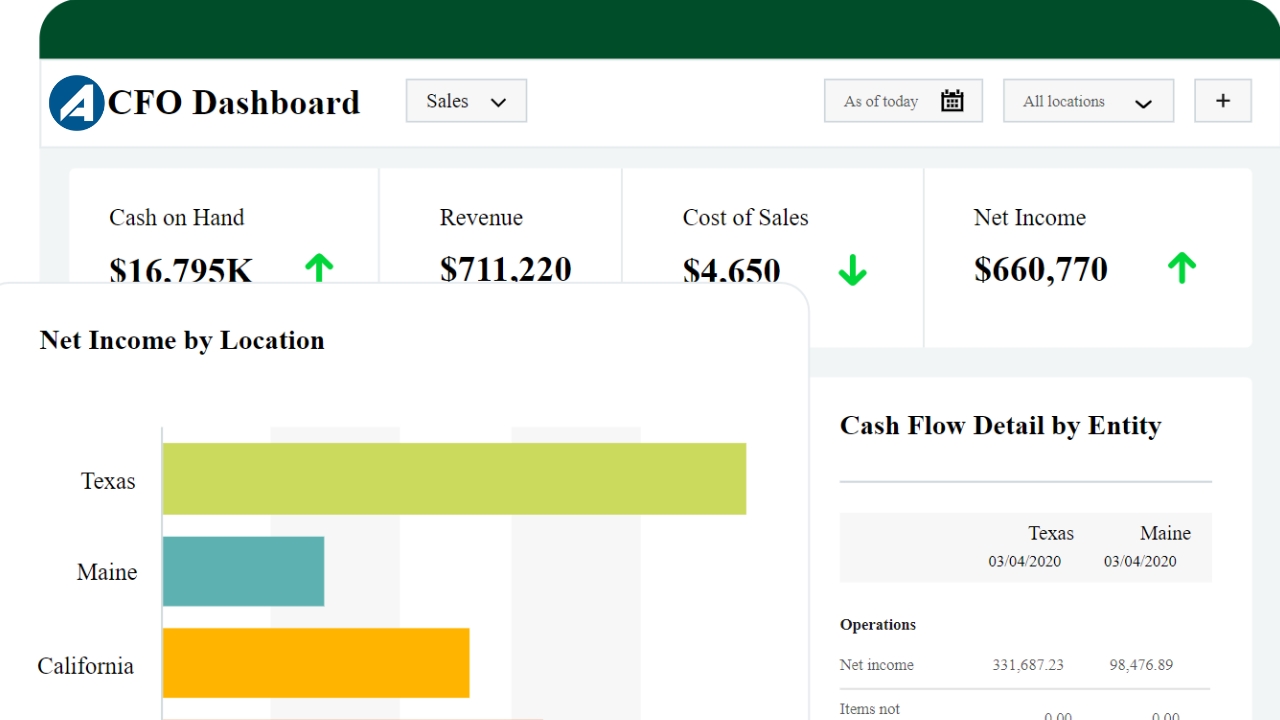
In today’s fast-paced digital economy, businesses need accurate financial data, efficient workflows, and real-time insights to stay competitive. Managing finances manually or with outdated tools can lead to errors, wasted time, and missed opportunities. This is where Sage Accounting Software comes in.

This detailed article we explains what Sage Accounting Software is, how it works, its key features, benefits, pricing models, and why it is trusted by millions of businesses worldwide. If you’re considering accounting software for your organization or researching solutions to help your business grow—this article will give you everything you need to know.
What Is Sage Accounting Software?
Sage Accounting Software is a full financial management solution designed to help businesses record, manage, and analyze their accounting data. It automates everyday accounting tasks such as invoicing, expense tracking, payroll, tax compliance, and financial reporting. Developed by Sage, a global leader in business management software, Sage solutions are widely used by small, medium, and growing enterprises across industries. Sage offers both cloud-based and desktop accounting software, allowing businesses to choose a system that fits their size, budget, and operational needs.
A Brief Overview Of Sage As A Company
Founded in 1981 in the United Kingdom, Sage has grown into one of the world’s most respected accounting software providers. The company focuses on helping businesses simplify finance, payroll, HR, and compliance through reliable and scalable digital tools. Today, Sage supports millions of customers in over 20 countries, making it a trusted name in accounting technology.
How Does Sage Accounting Software Work?
Sage Accounting Software works by centralizing your financial data into a single platform. Users can enter transactions manually or automatically import data from bank feeds, POS systems, and third-party apps. Once data is entered, Sage processes it in real time to:
- Track income and expenses
- Generate invoices and bills
- Calculate taxes
- Create financial reports
Cloud-based versions allow access from anywhere with an internet connection, while desktop versions store data locally for businesses that prefer on-premise solutions.
Absolutely — here’s an in-depth, detailed section on “Types of Sage Accounting Software” that you can use in your blog article. This is written to be professional, informative, and SEO-friendly for your website:
Types Of Sage Accounting Software
Sage offers a broad range of accounting software products designed to meet the needs of businesses from small startups to large enterprises. Each Sage solution has its own strengths, features, and ideal use cases — and choosing the right one can dramatically improve your financial workflows, compliance, and overall business performance. Below, we explore the major types of Sage Accounting Software, explain who they are built for, and highlight key features that set them apart.
Sage Accounting (Cloud)
Overview: Sage Accounting is a cloud-based accounting solution designed specifically for small businesses and startups. It replaces traditional bookkeeping tools with an easy, modern online platform accessible from any device.
Best Suited For:
✔ Small business owners
✔ Freelancers & sole proprietors
✔ Businesses looking for simple, automated accounting
Key Features:
- Automated bank feeds and reconciliation
- Professional invoicing and billing
- Cash flow insights and forecasting
- Real-time dashboards
- Cloud access from anywhere
- Integration with payment processors
Why It’s Popular: Because it’s cloud-native, users don’t need to install software locally. Updates, security, and backups are all handled by Sage — making it ideal for small teams with limited IT support.
Sage 50cloud Accounting
Overview: Formerly known as Peachtree, Sage 50cloud Accounting combines the power of desktop accounting with cloud connectivity. It’s one of Sage’s most widely used products globally.
Best Suited For:
✔ Small businesses with complex financial needs
✔ Companies requiring strong inventory and project tracking
✔ Businesses that want desktop reliability + cloud convenience
Key Features:
- Double-entry accounting system
- Advanced inventory management
- Job costing and project profitability
- Multi-currency support
- Microsoft 365 connectivity
- Robust reporting and customization
Standout Benefit: Unlike basic cloud accounting tools, Sage 50cloud supports more advanced accounting processes, making it ideal for established businesses that need scalable and reliable software.
Sage Intacct
Overview: Sage Intacct is a powerful, enterprise-grade cloud financial management solution. It’s designed for fast-growing mid-sized companies and organizations with complex accounting requirements.
Best Suited For:
✔ Growing businesses with multi-entity operations
✔ Companies needing advanced financial automation
✔ Firms requiring real-time analytics and compliance reporting
Key Features:
- Multi-entity and multi-location consolidation
- Automated revenue recognition
- Faster month-end close processes
- Self-service financial reporting
- Custom dashboards and KPI tracking
- Integration with CRM, payroll, and other business systems
Why It Stands Out: Sage Intacct is often considered a step above traditional accounting software it’s a full financial management platform that drives strategic visibility and automation across departments.
Sage Business Cloud
Overview: Sage Business Cloud isn’t just one software — it’s an ecosystem of cloud-based business management tools. Depending on the plan you choose, it can include accounting, payroll, HR, payments, and more.
Best Suited For:
✔ Small to mid-sized businesses seeking an integrated business system
✔ Companies that want unified accounting and people management
Core Components:
- Sage Accounting (core financials)
- Sage Payroll (employee compensation management)
- Sage HR (human resources utilities)
- Payments & Invoicing tools
Benefits: The biggest advantage of Sage Business Cloud is integration all your financial and HR processes can work together, providing smoother workflows and fewer manual touchpoints.
Sage 100cloud
Overview: Sage 100cloud is a robust ERP-style accounting solution geared toward growing businesses that need deeper control over financials and operations.
Best Suited For:
✔ Distribution and manufacturing companies
✔ Businesses with inventory, sales order, and purchasing needs
✔ Organizations needing advanced reporting and workflows
Key Features:
- Order management and inventory controls
- Costing and product tracking
- Job and project costing
- Advanced financial modules and dashboards
- Custom configurations based on business needs
Why Businesses Choose It: Sage 100cloud bridges the gap between basic accounting tools and full enterprise systems, offering advanced capabilities while remaining user-friendly.
How To Choose The Right Sage Product
Choosing the ideal Sage software depends on your business size, financial complexity, and future growth plans:
| Business Need | Best Sage Solution |
|---|---|
| Simple invoicing and cash tracking | Sage Accounting |
| Established small business with inventory | Sage 50cloud Accounting |
| Multiple entities or advanced compliance | Sage Intacct |
| Integrated business system (accounting + payroll + HR) | Sage Business Cloud |
| Growing businesses with operational complexity | Sage 100cloud |
Sage Accounting Software isn’t a “one-size-fits-all” solution — it’s a family of financial tools designed to support businesses at every stage of growth. From the cloud-focused simplicity of Sage Accounting to the enterprise strength of Sage Intacct, each product delivers reliable financial management, automation, and reporting that businesses need to thrive. Choosing the right Sage system can improve productivity, reduce errors, and give you real-time financial clarity — empowering smarter decisions and stronger business performance.
Key Features Of Sage Accounting Software
- 1. Invoicing and Billing : Create professional invoices, automate recurring billing, and accept online payments to improve cash flow.
- 2. Expense Tracking : Record expenses, categorize transactions, and reconcile bank statements with ease.
- 3. Financial Reporting : Generate profit and loss statements, balance sheets, cash flow reports, and tax summaries in real time.
- 4. Tax Management : Automate tax calculations, VAT/GST tracking, and compliance reporting according to local regulations.
- 5. Payroll Integration : Manage employee salaries, deductions, and compliance through integrated or add-on payroll solutions.
- 6. Inventory Management : Track stock levels, manage purchase orders, and monitor inventory valuation (available in select Sage products).
- 7. Cloud Access and Security : Secure cloud hosting with data encryption, backups, and role-based user permissions.
Benefits Of Using Sage Accounting Software
Choosing the right accounting software can significantly impact how efficiently a business operates and grows. Sage Accounting Software is trusted by businesses worldwide because it delivers accuracy, automation, and long-term value. Below is a detailed look at the key benefits of using Sage Accounting Software and why it is considered a smart investment for modern businesses.
1. Saves Time Through Automation
One of the biggest advantages of Sage Accounting Software is automation. Manual accounting tasks such as data entry, calculations, and reconciliations consume time and are prone to errors. With Sage, businesses can:
- Automate invoicing and recurring bills
- Import bank transactions automatically
- Reconcile accounts faster
- Reduce repetitive manual work
This allows business owners and finance teams to focus more on strategy and growth rather than routine bookkeeping.
2. Improves Accuracy and Reduces Errors
Accounting errors can lead to serious financial and compliance issues. Sage uses built-in validation checks and standardized accounting processes to minimize mistakes. Benefits include:
- Accurate calculations for taxes and totals
- Reduced risk of duplicate or missing entries
- Consistent financial records across departments
By improving data accuracy, Sage helps businesses maintain clean and reliable financial information.
3. Real-Time Financial Visibility
Sage Accounting Software provides real-time access to financial data, which is essential for informed decision-making. Users can instantly view:
- Profit and loss statements
- Cash flow status
- Outstanding invoices and expenses
- Balance sheets and summaries
Having up-to-date insights enables business owners to react quickly to financial challenges and opportunities.
4. Easy Access with Cloud-Based Flexibility
Many Sage solutions are cloud-enabled, allowing users to access their accounts anytime and from anywhere. Key advantages:
- No need for physical servers
- Secure online data storage
- Remote access for teams and accountants
- Automatic updates and backups
This flexibility is especially valuable for remote teams, multi-location businesses, and growing organizations.
5. Scales as Your Business Grows
Sage Accounting Software is designed to grow with your business. Whether you’re a startup or an established company, Sage offers scalable solutions that adapt to increasing complexity. As your business expands, Sage can support:
- More users
- Advanced reporting
- Inventory and project management
- Multi-entity and multi-currency accounting
This eliminates the need to switch software as your operations become more advanced.
6. Strong Compliance and Tax Management
Staying compliant with tax laws and regulations is a major challenge for businesses. Sage simplifies compliance by automating tax calculations and providing audit-ready records. Compliance benefits include:
- VAT/GST tracking and reporting
- Local tax regulation support
- Accurate financial documentation
- Easier audit preparation
This helps businesses avoid penalties and stay aligned with regulatory requirements.
7. Professional Invoicing and Better Cash Flow
Sage helps businesses get paid faster through professional invoicing and payment tracking. Features include:
- Customizable invoice templates
- Automated payment reminders
- Online payment integrations
- Clear tracking of unpaid invoices
Improved invoicing directly supports better cash flow and financial stability.
8. Secure Data and Reliable Backups
Financial data security is critical. Sage uses advanced security protocols to protect sensitive business information. Security benefits include:
- Encrypted data protection
- Secure user access controls
- Regular backups and system monitoring
- Compliance with data protection standards
Businesses can operate with confidence knowing their financial data is protected.
9. User-Friendly Interface and Easy Adoption
Despite its powerful features, Sage Accounting Software is known for its intuitive and user-friendly design. Advantages for users:
- Clean dashboards
- Simple navigation
- Easy setup and onboarding
- Helpful tutorials and customer support
Even users with limited accounting knowledge can quickly learn and use the system effectively.
10. Trusted Global Accounting Solution
Developed by Sage, Sage Accounting Software is used by millions of businesses across the world. Its long-standing reputation, continuous innovation, and strong customer support make it a dependable choice. Businesses trust Sage because it combines:
- Proven reliability
- Industry expertise
- Continuous software improvement
The benefits of using Sage Accounting Software go far beyond basic bookkeeping. It delivers automation, accuracy, real-time insights, scalability, and compliance support—all essential elements for running a successful business. For companies looking to streamline accounting operations, improve financial control, and prepare for future growth, Sage Accounting Software is a powerful and reliable solution.
Who Should Use Sage Accounting Software?
Sage Accounting Software is suitable for:
- Small business owners
- Startups and entrepreneurs
- Medium-sized enterprises
- Accountants and finance professionals
- Service-based and product-based businesses
Industries such as retail, manufacturing, construction, healthcare, education, and professional services commonly rely on Sage.
Sage Accounting Software vs Other Accounting Tools
Compared to many entry-level accounting tools, Sage offers:
- More advanced reporting
- Better scalability
- Strong compliance support
- Industry-specific solutions
While some competitors focus mainly on freelancers, Sage is particularly strong for businesses planning long-term growth.
Why Choose Sage Accounting Software for Your Business?
Choosing the right accounting software is a strategic decision. Sage stands out because it combines reliability, flexibility, and long-term value. Businesses that use Sage benefit from accurate financial records, improved decision-making, and reduced administrative workload. For companies looking to build a strong financial foundation and scale confidently, Sage Accounting Software is a proven solution.
Final Thoughts
So, what is Sage Accounting Software? It is more than just an accounting tool—it is a complete financial management system that empowers businesses to take control of their finances, improve efficiency, and grow sustainably. If your goal is to streamline accounting processes, stay compliant, and gain clear financial insights, Sage Accounting Software is a solution worth serious consideration. At aenten, we believe informed decisions drive business success. We hope this guide helps you understand Sage Accounting Software and choose the right accounting solution for your business needs.